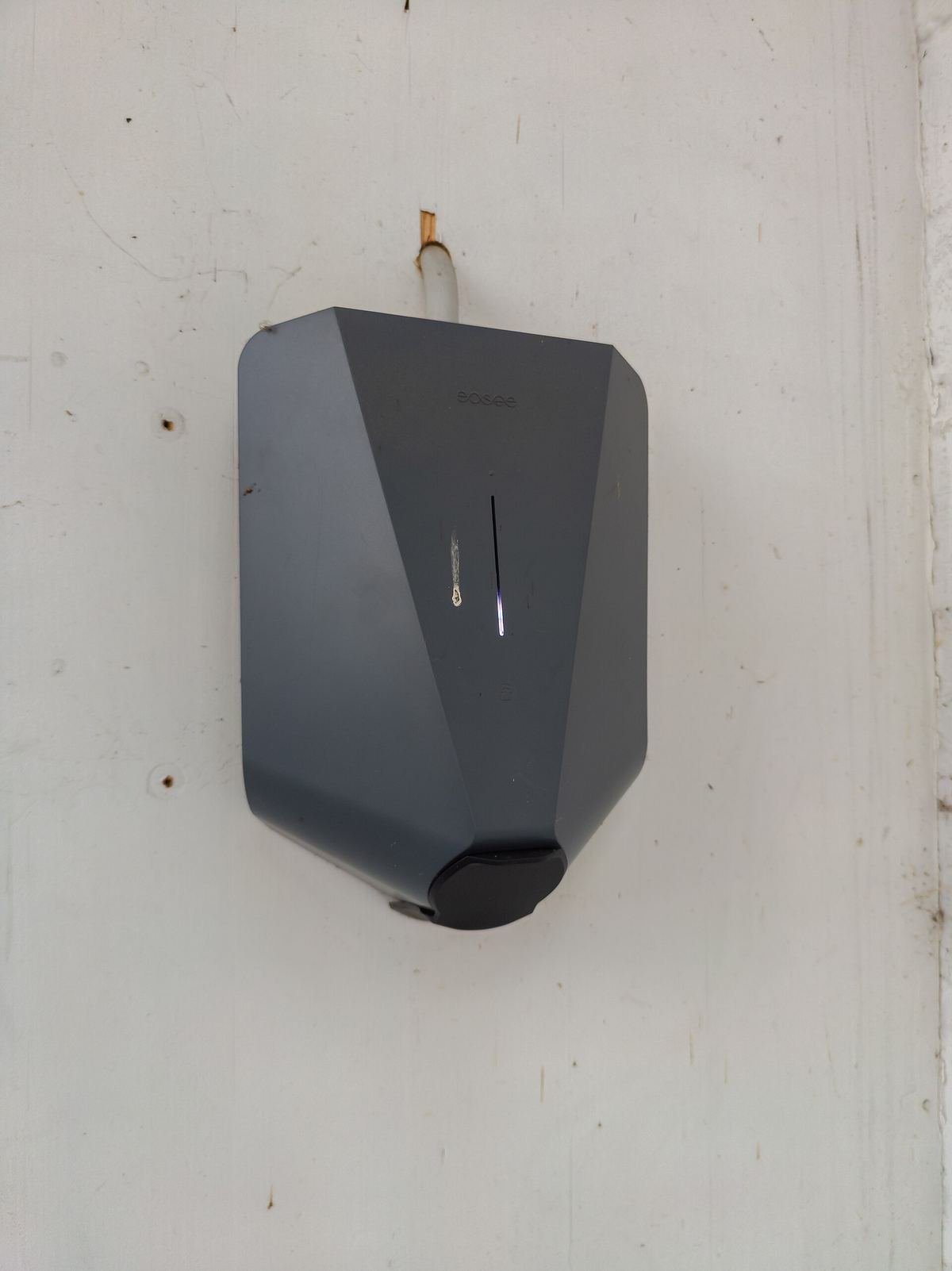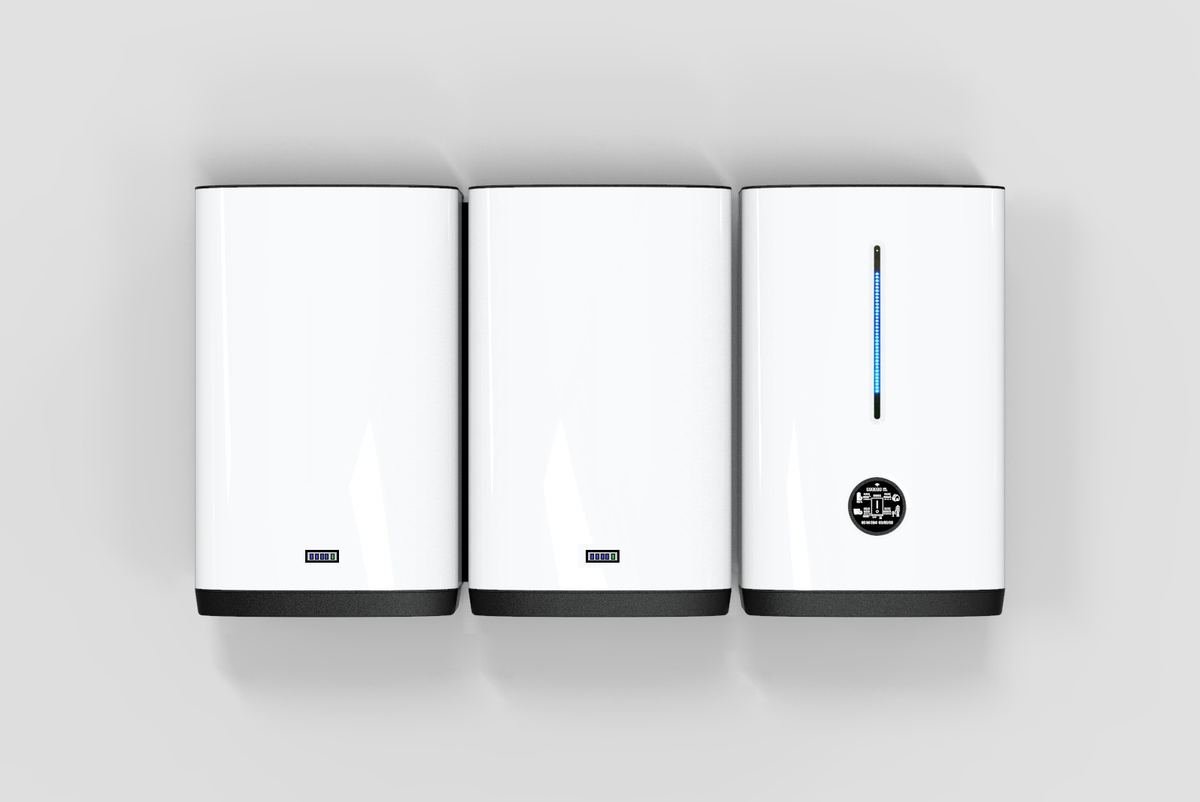
A home battery stores electricity for use later. For most solar homes, that means keeping surplus daytime solar for the evening and overnight. Here is what the key terms mean and what to consider.
Capacity is measured in kWh
Capacity, in kilowatt-hours (kWh), is the amount of energy a battery can store. Check the usable capacity, which can be lower than the total figure, because some energy is reserved to protect the battery.
Power is measured in kW
Power, in kilowatts (kW), is how much electricity the battery can supply at any moment. It determines how many appliances it can run at once. As a simple illustration, a battery with 10 kWh of usable capacity could in theory supply 2 kW for about five hours, or 5 kW for about two hours. Real-world results are a little lower because of conversion losses.
Backup during outages is not automatic
Many people assume a battery will keep the lights on during a blackout. That only happens when the system is designed for it. Backup depends on the battery and inverter, how circuits are arranged in the switchboard and how the system is installed. Some systems back up selected circuits only. If backup matters to you, say so at the start.
Adding a battery to existing solar
There are two common approaches. AC-coupled batteries have their own inverter and can often be added alongside an existing solar inverter. DC-coupled batteries share a hybrid inverter with the solar panels. Which suits you depends on your existing equipment, switchboard and plans.
Is a battery right for you?
- How much solar do you currently export during the day?
- How much energy do you use in the evening and overnight?
- How important is backup during outages?
- Is there a suitable location with the right clearances and protection?
Questions worth asking
- What is the usable capacity, and what is the continuous power output?
- Will the system provide backup, and for which circuits?
- Is it compatible with my existing inverter and switchboard?
- What monitoring and warranty information is provided by the manufacturer?
Information checked 17 October 2026. General information only; your situation may differ.