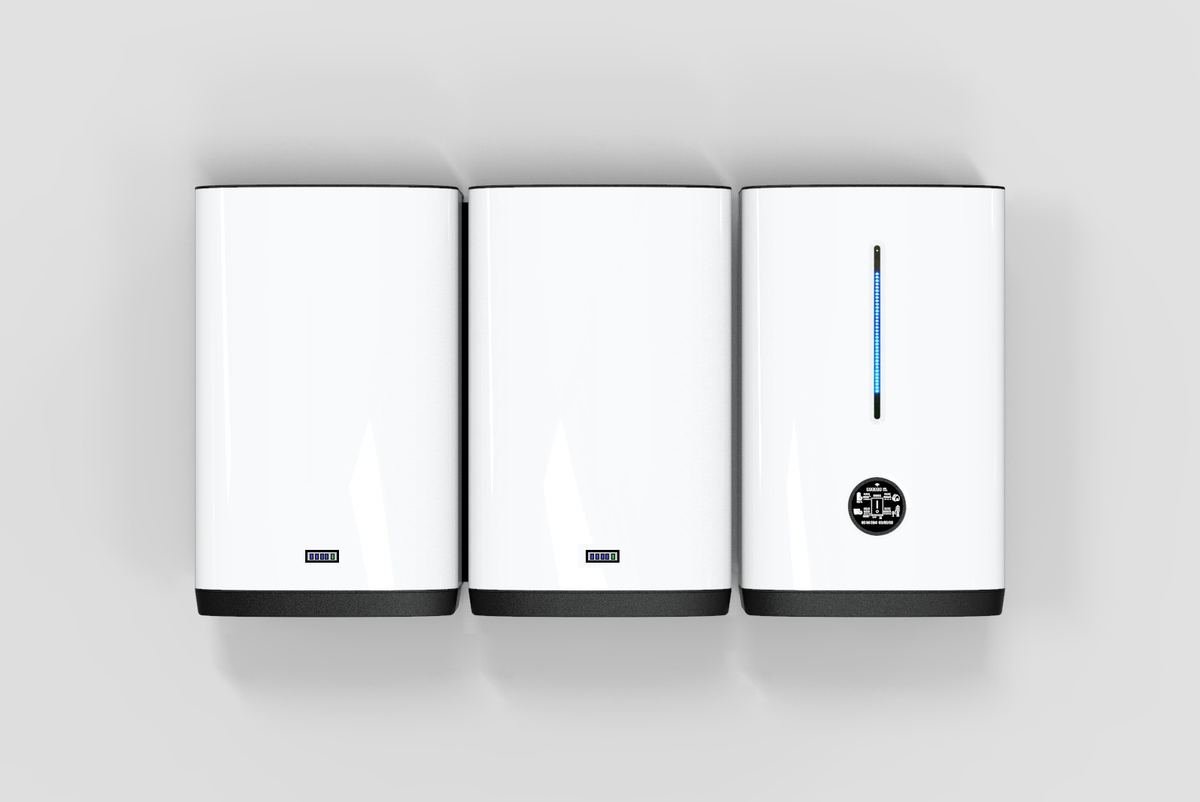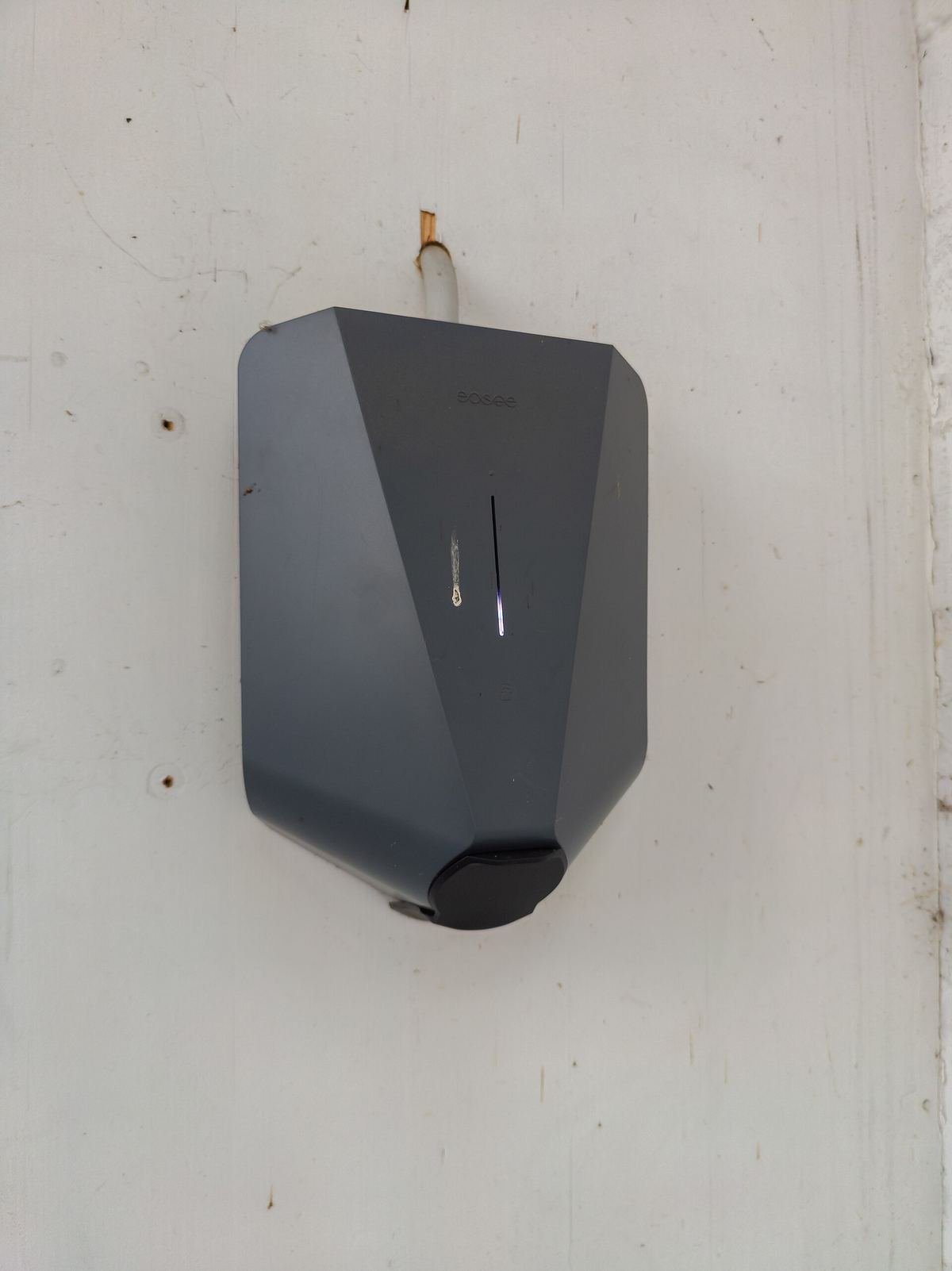
A dedicated EV charger makes regular charging faster and more convenient. A few details about your car, your home’s electrical supply and where you park will help you get an accurate recommendation.
Know your vehicle’s charging rate
Every EV has an onboard charger that limits how fast it can take AC power from a wall charger. You will find this in the owner’s manual or the manufacturer’s specifications, usually in kilowatts (kW). A charger rated above your car’s onboard limit will not charge it any faster.
Single-phase or three-phase supply?
Most homes have a single-phase supply, which typically supports home charging of up to around 7 kW. Three-phase supply can support faster AC charging, commonly up to around 11 kW or 22 kW, when the vehicle supports it. If you are not sure which you have, an electrician can confirm it from your switchboard and meter.
Where you will park and charge
- Which wall or post the charger could be mounted on
- The approximate distance from the switchboard to that spot
- Whether the location is covered or exposed to weather
- How the cable will reach the car’s charging port
Switchboard capacity
An EV charger is a substantial, sustained load. Your switchboard needs space and suitable protection for a dedicated circuit, and the overall supply needs to handle the extra demand. Older switchboards sometimes need an upgrade first.
Charging with solar
If you have solar, some chargers can prioritise surplus solar or follow a schedule. How much of your charging comes from solar depends on system size, timing and how often the car is home during the day.
Strata, rentals and shared parking
In apartments, townhouses and rental properties, you will usually need approval from the owners corporation or landlord before installation. Start that conversation early.
Your enquiry checklist
- Vehicle make and model
- Single-phase or three-phase supply, if known
- Photos of your switchboard and parking area, if easy to take safely
- Any existing solar or battery system
- Your preferred charger location
Information checked 17 October 2026. General information only; your situation may differ.